
The Importance of Upper Extremity Rehabilitation
Injuries and conditions affecting the hands, shoulders, elbows, and wrists can turn even the simplest daily activities into ongoing challenges. Whether you’re dealing with carpal tunnel syndrome, recovering from rotator cuff tears, or navigating chronic conditions like rheumatoid arthritis, the right rehabilitation program can make a real difference in both how you feel and how you function day to day.
This article will explain what upper extremity injury therapy involves, what you can expect throughout the treatment process, and how a patient-centered approach helps reduce pain, rebuild strength, and restore independence in your daily life.
If you’re experiencing discomfort or limited mobility in your upper extremity and are ready to find relief, schedule an appointment with Georgia Hand, Shoulder & Elbow today and take the first step toward stronger, more confident movement.
Topic at a Glance
- Upper extremity rehabilitation helps patients manage pain, restore range of motion, and improve hand function.
- A personalized treatment plan led by a certified hand therapist supports long-term recovery.
- Therapy focuses on rebuilding grip strength, functional use, and the ability to perform everyday tasks.
- Advanced techniques like electrical stimulation and custom orthotic devices support healing and mobility.
What is Upper Extremity Injury Therapy?
Upper extremity injury therapy focuses on restoring movement, strength, and function in the arms from the shoulder down to the fingers. This includes conditions affecting the elbow, wrist, and hand, as well as injuries involving muscles, tendons, ligaments, and joints.
Many patients seek care for issues like carpal tunnel syndrome, rotator cuff tears, or lingering discomfort from overuse or trauma. Others may be navigating chronic pain or progressive conditions such as rheumatoid arthritis that impact hand function and mobility over time. This type of therapy can help patients regain the ability to perform everyday tasks, from buttoning a shirt to typing on a keyboard.
What to Expect from Rehabilitation
Starting upper extremity rehabilitation can feel like a big step, but understanding the process can help you feel more confident and prepared.
Your first visit typically includes a detailed evaluation of your condition. This may involve assessing your range of motion, grip strength, swelling, and overall functional use of the affected area, whether it’s your shoulder, elbow, or left hand. Your provider will also discuss your goals, pain levels, and how your condition is affecting your daily life.
From there, a customized treatment plan is created. This plan is designed to relieve pain, increase motion, and gradually rebuild strength.
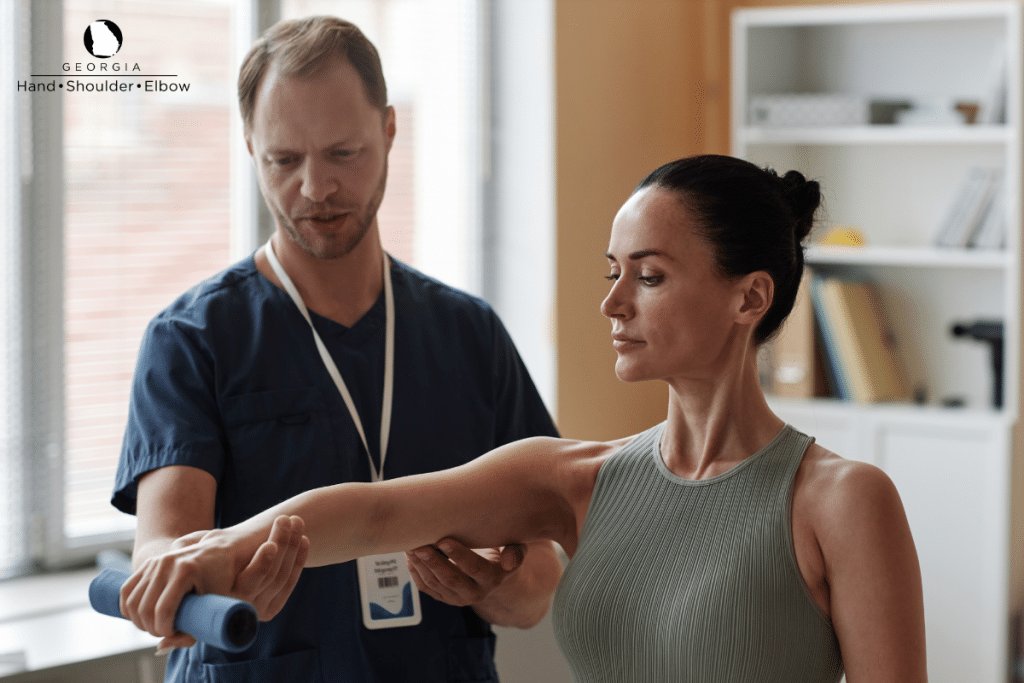
During therapy sessions, you may:
- Perform guided exercises to improve function and coordination
- Work on sensory retraining if nerve-related symptoms are present
- Use specialized tools to enhance grip strength and dexterity
- Learn techniques to safely complete daily activities without worsening symptoms
Consistency is key. Over time, these sessions help reduce pain, break up scar tissue, and restore confidence in movement. Many patients also receive guidance on exercises to continue at home, reinforcing progress between visits.
Long Term Benefits and Success
One of the most important benefits of upper extremity rehabilitation is the ability to manage pain effectively. By addressing the root causes of discomfort, patients often experience meaningful improvements in pain management without relying on temporary solutions.
Additionally, therapy helps restore range of motion and improve strength, making it easier to return to everyday tasks. Whether it’s lifting groceries, typing, or participating in hobbies, patients often notice a significant difference in their ability to move comfortably and confidently.
Common Treatment Techniques and Equipment Used
Upper extremity rehabilitation uses a variety of evidence-based techniques and tools to support recovery. Each approach is carefully selected to align with your specific needs and goals.
- Hand Therapy and Occupational Therapy Techniques: Specialized hand therapy focuses on restoring fine motor skills, coordination, and hand function. Combined with occupational therapy, these techniques help patients return to meaningful daily activities.
- Custom Orthotic Devices: A custom orthotic may be used to support healing, protect injured structures, or improve alignment. These devices are especially helpful for conditions affecting the wrist, fingers, or elbow.
- Electrical Stimulation: Electrical stimulation can be used to activate muscles, improve circulation, and assist with pain management. It’s a helpful tool for patients working to rebuild strength after injury or surgery.
- Scar Tissue Management: After surgery or injury, scar tissue can limit movement and cause discomfort. Targeted techniques help soften and mobilize this tissue, improving flexibility and range of motion.
- Strength and Mobility Training: Exercises designed to increase motion and enhance grip strength are a cornerstone of recovery. These activities are carefully progressed to ensure safe and effective results.
- Sensory Re-Education: For patients with nerve involvement, sensory retraining helps restore sensation and coordination, improving overall functional use of the hand and arm.
Expert Care for Stronger, More Confident Movement
If you’re experiencing discomfort, limited mobility, or difficulty with everyday tasks, don’t wait to seek care. Our team at Georgia Hand, Shoulder & Elbow is dedicated to helping patients achieve lasting results through a compassionate, patient-centered approach.
Schedule your appointment today and take the next step toward improved strength, mobility, and a better quality of life.
FAQs About Upper Extremity Rehabilitation
What conditions can upper extremity rehabilitation help treat?
Upper extremity rehabilitation can address a wide range of conditions, including carpal tunnel syndrome, rotator cuff tears, tendon injuries, and rheumatoid arthritis, as well as general chronic pain and stiffness.
How long does it take to see results?
Many patients begin to notice improvements in range of motion and reduced pain within a few weeks, though full recovery depends on the severity of the condition and consistency with the treatment plan.
Will therapy help me regain full hand function?
In many cases, yes. With guided hand therapy and support from a certified hand therapist, patients can significantly improve hand function, grip strength, and coordination.
What should I expect during my first visit?
Your first visit includes a detailed evaluation of your symptoms, movement, and goals. From there, a personalized treatment plan is created to help you relieve pain and restore functional use.
Can therapy help with chronic conditions?
Absolutely. For patients with chronic conditions, rehabilitation can help manage pain, maintain mobility, and improve the ability to perform daily activities over time.