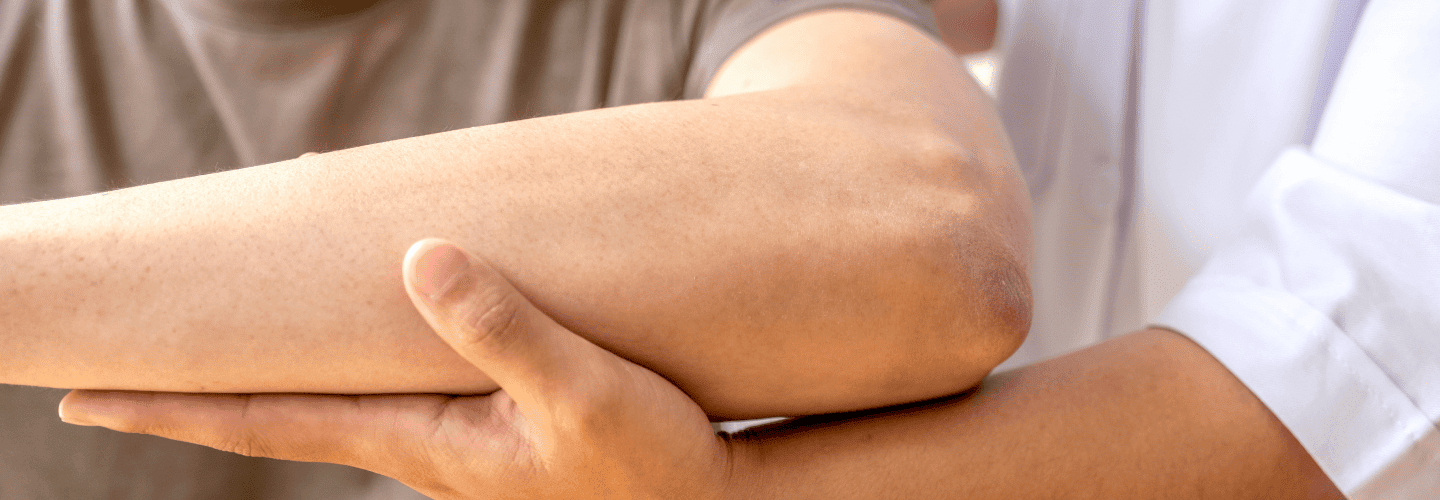
What is Post Arm Surgery Recovery?
Post arm surgery recovery refers to the healing period following a surgical procedure involving the shoulder joint, elbow, forearm, wrist, or hand. During this time, the body repairs tissues affected by surgery while patients gradually regain movement, strength, and function.
Recovery may involve rest, rehabilitation, pain medications, supportive braces or slings, and carefully guided activity progression. The length and complexity of recovery often depend on several factors, including the type of surgery performed, the severity of the injury, and the patient’s overall health.
Types of Arm Surgeries and How They Affect Recovery
There are many types of shoulder procedures and arm surgeries, each with unique recovery expectations.
Arthroscopic Shoulder Surgery
Arthroscopic shoulder surgery uses small incisions and specialized instruments to diagnose and treat shoulder joint problems. Shoulder arthroscopy is commonly used to treat inflammation, instability, or damage within the joint. Because the procedure is minimally invasive, patients often experience less discomfort and quicker recovery compared to open surgery.
Rotator Cuff Surgery
Rotator cuff surgery is performed to repair damaged rotator cuff tendons caused by injury or wear over time. Rotator cuff repair often requires a longer rehabilitation process because the repaired tissue must heal securely before full activity resumes. Rotator cuff surgery recovery may take several months, especially after a large rotator cuff tear.
Elbow and Hand Procedures
Elbow surgeries may address tendon injuries, fractures, arthritis, or nerve compression. Hand and wrist surgeries can involve ligament repair, tendon repair, or fracture stabilization. Recovery timelines vary widely depending on the complexity of the surgical procedure and the demands placed on the affected area during healing.
What to Expect Immediately After Arm Surgery
Immediately after surgery, patients are typically monitored while the effects of anesthesia wear off. It is common to experience swelling, stiffness, soreness, and temporary weakness in the upper arm or surrounding areas.
Many patients leave the surgical center the same day with instructions regarding wound care, activity limitations, and follow-up appointments. A sling or brace may be used to protect the shoulder joint or arm while tissues heal.
Pain relief is an important part of early recovery. Ice, elevation, rest, and prescribed pain medications are commonly recommended to help manage discomfort during the first several days after surgery.
Post Arm Surgery Recovery Timeline
Every patient heals differently, but most shoulder surgery recovery timelines follow a general pattern.
First Few Days
The first several days after surgery are usually focused on rest, pain relief, and swelling reduction. Activities are limited, and patients may need assistance with dressing, bathing, or household tasks.
First Several Weeks
During the first few weeks, swelling and discomfort gradually improve. Rehabilitation efforts often begin during this phase with guided motion exercises designed to improve flexibility without stressing healing tissues.
One to Three Months
Strength and mobility typically improve steadily over the next several months. Patients may slowly return to light activities while continuing rehabilitation exercises.
Long-Term Recovery
Complete recovery from major shoulder procedures or rotator cuff repair can take six months or longer. Returning to sports, lifting heavy objects, or demanding work activities usually happens gradually and only after the shoulder joint demonstrates sufficient healing and stability.
Pain Management and Swelling Control After Surgery
Managing discomfort effectively can make recovery more comfortable and improve overall mobility during healing.
Ice packs are commonly used to reduce swelling and shoulder pain, especially during the first several days after surgery. Keeping the arm elevated when possible may also help decrease swelling.
Pain medications may be recommended to help control discomfort during the early stages of shoulder surgery recovery. Patients should follow all postoperative instructions carefully and avoid overusing the arm too soon.
Rehabilitation for Restoring Arm Function
Rehabilitation plays a major role in helping patients regain mobility, coordination, and strength after surgery. The process is gradual and typically progresses in stages based on healing milestones.
Early rehabilitation may focus on gentle motion exercises that improve flexibility and reduce stiffness without placing stress on healing tissues. As recovery progresses, strengthening exercises may be added to help restore shoulder joint stability and improve arm function.
Consistency is important throughout recovery. Following postoperative guidelines closely can improve mobility, reduce stiffness, and support complete recovery.
Signs of Complications During Recovery
Most patients recover successfully after arm surgery, but complications can occasionally occur. Contact your orthopedic specialist if you experience:
- Increasing redness or warmth near the incision
- Fever or chills
- Severe swelling that worsens instead of improving
- Drainage from the surgical site
- Sudden loss of movement
- Severe or worsening shoulder pain
- Numbness or changes in circulation
Early evaluation of concerning symptoms can help prevent more serious problems and support safer healing.
When to Return to Daily Activities, Work and Sports
The timeline for returning to normal activities depends on the type of surgical procedure performed and the patient’s progress during rehabilitation.
Light daily activities may resume within several weeks for some patients, while more physically demanding tasks often require additional healing time. Office work may be possible sooner than jobs requiring repetitive arm use or lifting heavy objects.
Athletes and active individuals recovering from rotator cuff surgery or shoulder arthroscopy often need several months before returning to full sports participation. Gradual progression helps protect healing tissues while rebuilding strength and flexibility safely.
Patients should always follow individualized recommendations from their orthopedic surgeon before resuming strenuous activities.
Your Recovery Journey
If you are preparing for surgery or currently recovering from a procedure involving the shoulder joint, elbow, or upper arm, schedule an appointment with Georgia Hand Shoulder and Elbow today to receive expert orthopedic care in Atlanta or Marietta that is tailored to your needs.