What is Occupational Therapy?
Under the guidance of experienced occupational therapy specialists, care is centered on restoring function and independence. Occupational therapy is a client-centered healthcare discipline designed to help individuals participate in the occupations—or meaningful activities—of daily life.
These occupations may include work, self-care, school, and leisure activities. Rather than focusing solely on physical symptoms, occupational therapy considers the whole person, including their environment, interests, and goals. The aim is to promote health, improve mobility, and support well-being.
Occupational therapists complete advanced education, often earning a master’s degree, and work alongside occupational therapy assistants and other members of a healthcare team. Together, occupational therapy practitioners provide therapy services in diverse healthcare settings such as outpatient clinics, skilled nursing facilities, nursing homes, hospitals, schools, and in the home.
What is Involved in OT?
Occupational therapy services typically begin with a comprehensive evaluation. This may include a review of medical history, discussion of current symptoms, assessment of physical function, and identification of important activities the person wants or needs to perform.
Based on this information, therapists develop an individualized treatment plan. This plan may address:
- Strength and coordination
- Range of motion
- Pain management
- Fine motor skills
- Cognitive or mental health considerations
- Environmental modifications
Therapy may also involve recommendations for installing adaptive equipment in the client’s home, such as shower chairs, braces, or specialized tools that make routine tasks safer and easier. Education is often a key component, helping patients and families understand how to perform daily tasks safely.
Occupational therapy programs are customized for children, adults, and older adults. For example, helping children with developmental disabilities participate more fully in school activities may require a different approach than supporting an adult recovering from trauma or surgery.
How Do Occupational Therapists Help in the Recovery of the Upper Extremity Limbs?
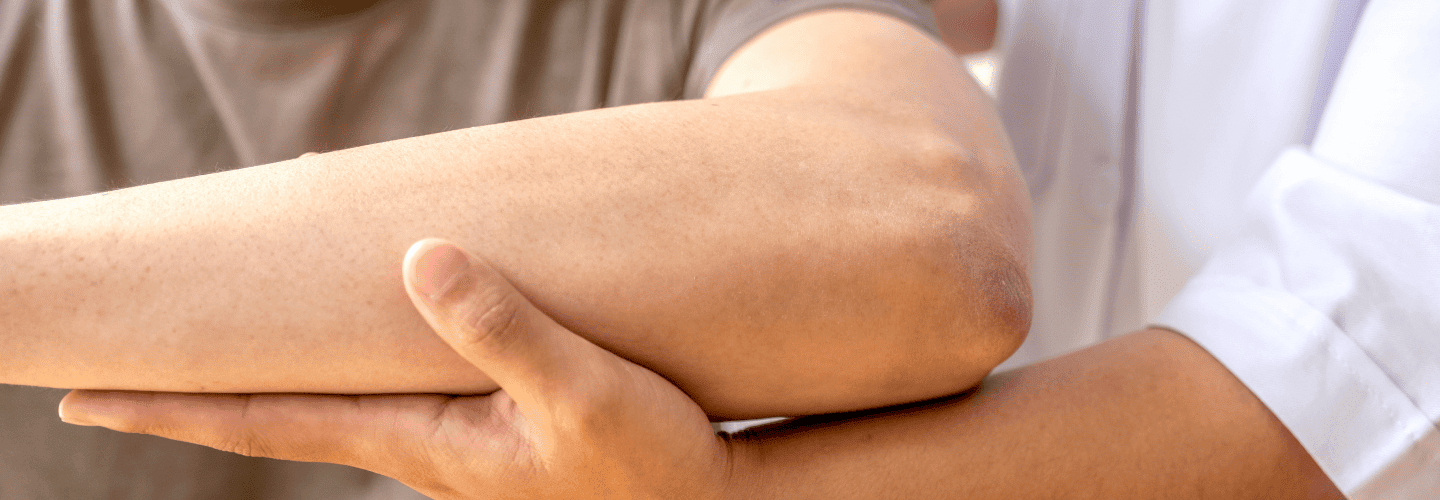
Upper extremity rehabilitation focuses on the shoulder, elbow, forearm, wrist, and hand. After injury, surgery, or chronic conditions affecting these areas, many patients experience stiffness, weakness, or reduced coordination.
Occupational therapists use targeted treatment techniques to help patients regain skills necessary for daily living. These may include:
- Gentle stretching and strengthening exercises
- Functional movement retraining
- Scar management techniques
- Joint protection strategies
- Activity modification
Rather than isolating muscles alone, therapy often emphasizes real-life movements—such as grasping objects, buttoning clothing, typing, or lifting household items. This functional approach may help individuals perform daily activities more efficiently and comfortably.
Therapists also consider the environment, including the workplace or home setup. Small adjustments—like ergonomic changes or supportive splints—may reduce strain and support recovery. While outcomes vary, many individuals report improvements in strength, coordination, and confidence when consistently following their recommended treatment.
Which Activities Are Done During Occupational Therapy?
Activities in occupational therapy are tailored to each person’s goals, health status, and interests. Sessions often combine therapeutic exercises with meaningful tasks that simulate real-life situations.
Common activities may include:
- Grooming and dressing
- Strengthening exercises using therapy bands or putty
- Fine motor tasks, such as picking up small objects
- Writing or keyboard training for school or work participation
- Simulated cooking or household activities
- Stress-management strategies for mental health issues
In some cases, therapy may address mental health concerns alongside physical disabilities, recognizing that emotional and physical health are interconnected. Supporting mental health may enhance overall recovery and participation in important activities.
For children, therapy might focus on handwriting, classroom skills, or sensory integration to improve participation in education. For older adults, it may focus on fall prevention, energy conservation, and safe mobility to help them live independently.
The Benefits and Risks of Occupational Therapy
Like many healthcare interventions, occupational therapy offers potential benefits and some risks.
Potential Benefits
- Improved strength and flexibility
- Enhanced coordination and motor skills
- Greater independence in daily activities
- Reduced pain or discomfort in some cases
- Increased confidence and overall health
Therapy may also support long-term management of chronic conditions, helping individuals adapt to changes in ability over time.
Possible Risks
While occupational therapy is generally considered safe, some individuals may experience temporary soreness, fatigue, or mild discomfort during treatment. In rare situations, overexertion could aggravate symptoms. For this reason, therapists carefully monitor progress and adjust programs as needed.
Open communication between patients and therapists helps ensure therapy remains safe and appropriate.
When to See a Doctor
You may consider consulting a healthcare provider if you experience persistent pain, reduced movement, weakness, or difficulty performing daily tasks after injury or trauma. Challenges with fine motor skills, coordination, or routine tasks may also warrant evaluation.
A doctor can determine whether occupational therapy services might be appropriate as part of a broader treatment strategy. Early assessment may support more timely intervention and improved function.
Occupational Therapy Services in Georgia
If upper extremity pain, injury, or limited function is interfering with your daily activities, seeking professional guidance may be an important step. Our specialists at Georgia Hand, Shoulder & Elbow provide personalized care designed to support recovery and restore independence.
Contact us in Marietta or Atlanta, GA, to learn more about available resources and schedule a consultation. A customized approach may help you safely participate in the activities that matter most.